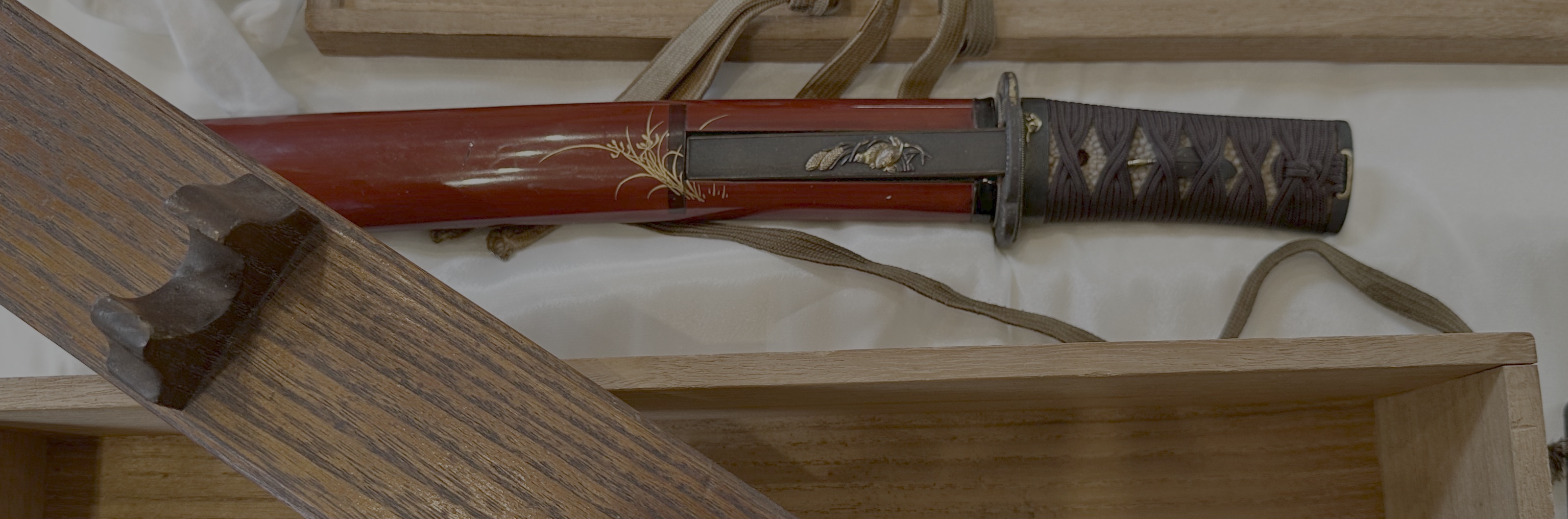
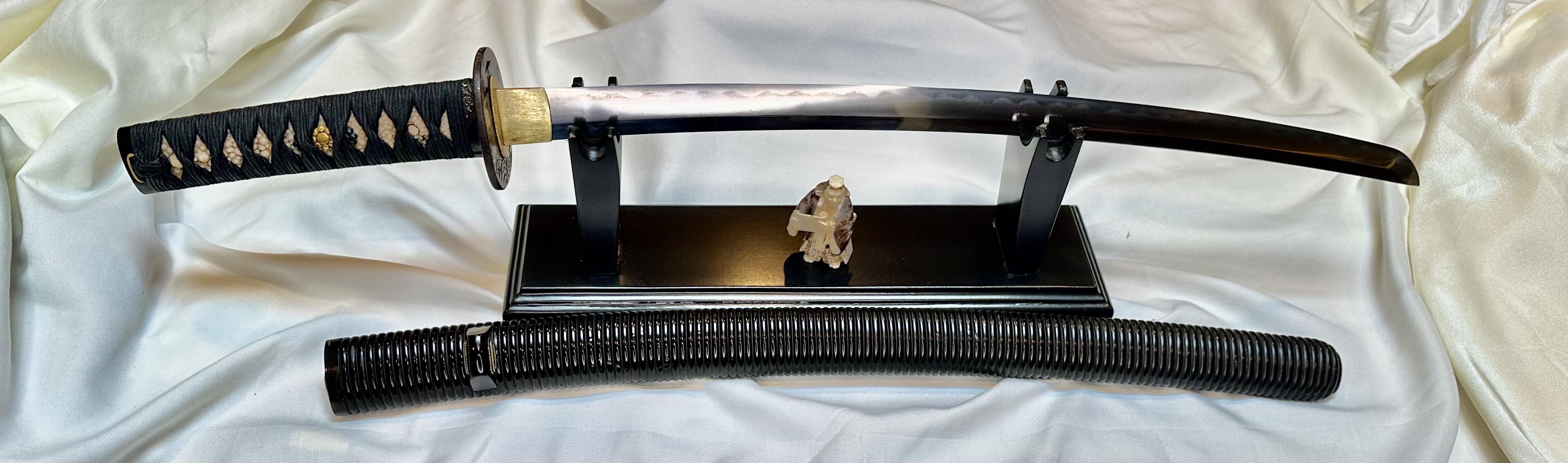
Akairo Ken — The Red Sword - Muromachi period, 1492
Status
sold
Price
-
Description
A light, exceptionally well-balanced katana from the Muromachi period (dated 1492), acquired from a veteran collection at a bargain precisely because it lacked certification at purchase. Subsequent evaluation by specialists visiting from Japan identified the blade as a work signed in the Yoshisugu/Kurumana line and matched it to a documented example in a well-known reference volume (“Noanto Mikin,” Japanese edition). The koshirae is later (approximately a century after the blade), assembled with great care: a vivid vermilion lacquer saya, a gold, deeply carved ocean-waves habaki, and fittings executed with keshi-zōgan (gold–mercury amalgam inlay, heat-flashed to leave pure gold and then burnished). The result is a museum-grade visual statement that still feels agile in hand.
The Story
This piece began as a calculated risk: purchased from a major collection without NBTHK papers to secure a price impossible in retail channels. Weeks later, the seller hosted sword experts from Japan who examined the katana, affirmed its Muromachi date (1492), and tied its mei to the Yoshisugu/Kurumana line. Most excitingly, the exact tang/signature appears in a seminal Japanese reference (“Noanto Mikin”), giving the blade a published provenance. The fittings are not contemporaneous with the blade—likely Edo-period upgrades by an owner who treasured it. Symbolism abounds: one side of the blade bears a Sanskrit motif linked to Fudō Myō-ō (the warrior aspect of the Buddha), the other carries auspicious lines wishing health and happiness. The kojiri and fuchi-kashira show crisp, gold-filled linework; the Buddha-teardrop motif at the kojiri tail is a graceful finishing touch. It’s the rare combination of pedigree, presence, and price: a 500-year-old sword that moves as if alive.
Other Swords in This Collection
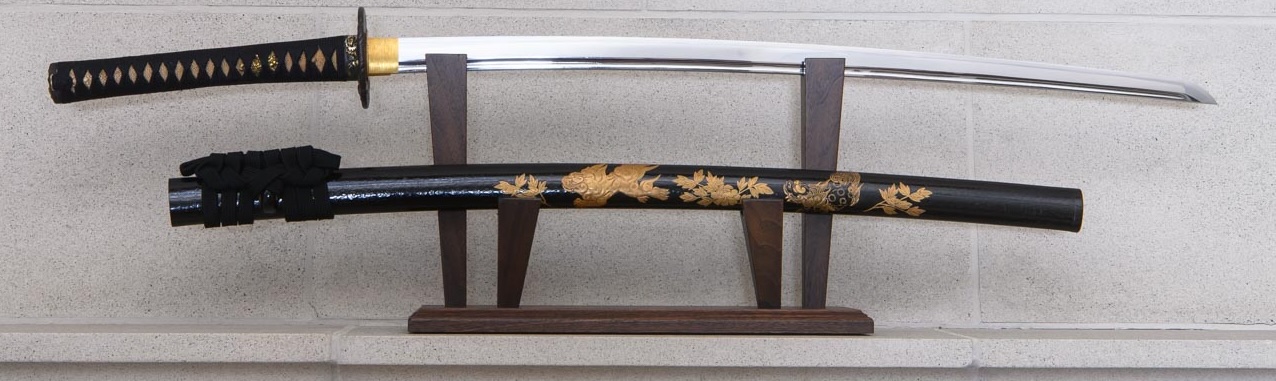
Mihara Lion
"三原獅子"
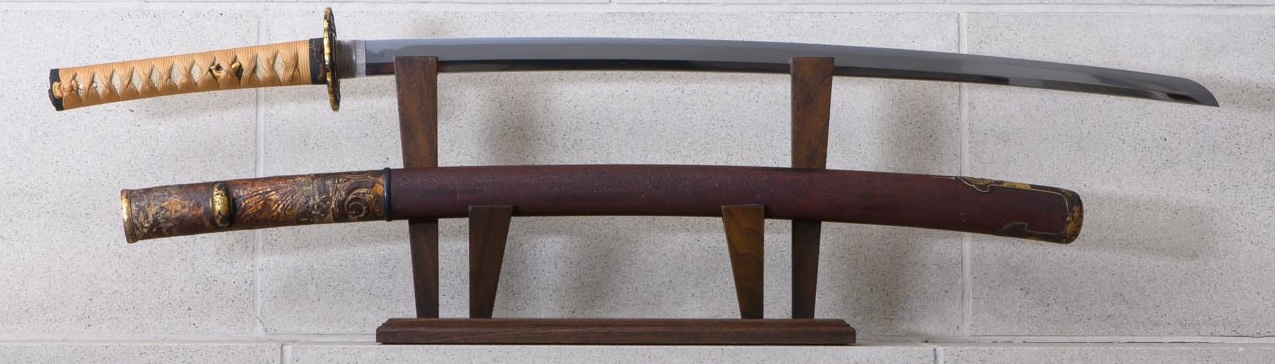
Lord of Saga
"佐賀の君主"
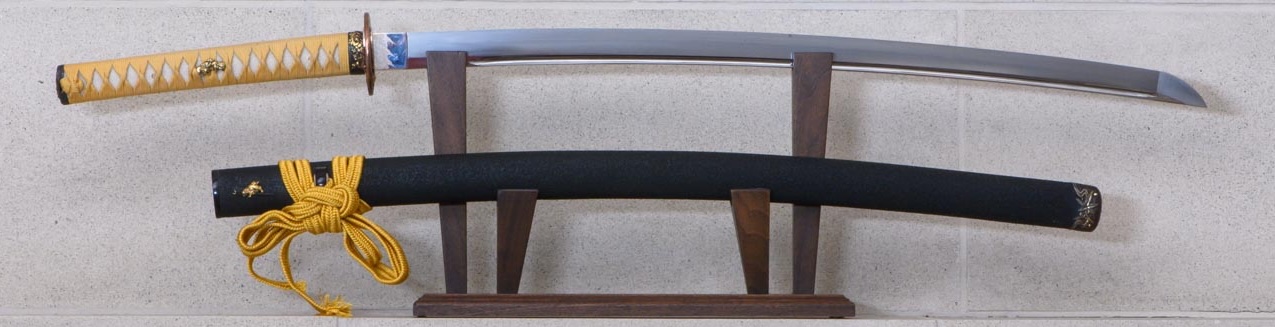
The Lion & The Rose
"獅子と菊"
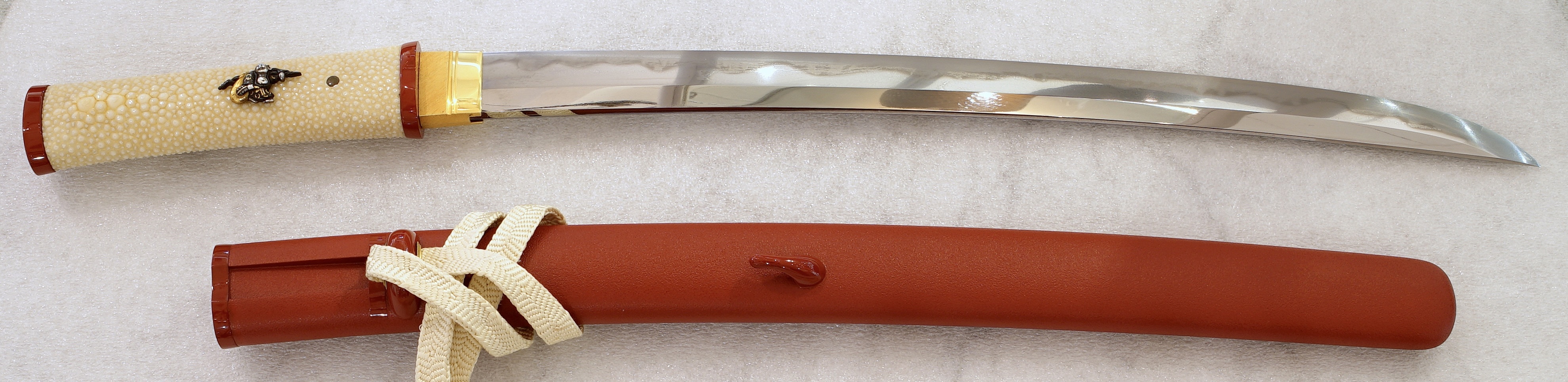
Dream Catcher
"夢をつかむ者"
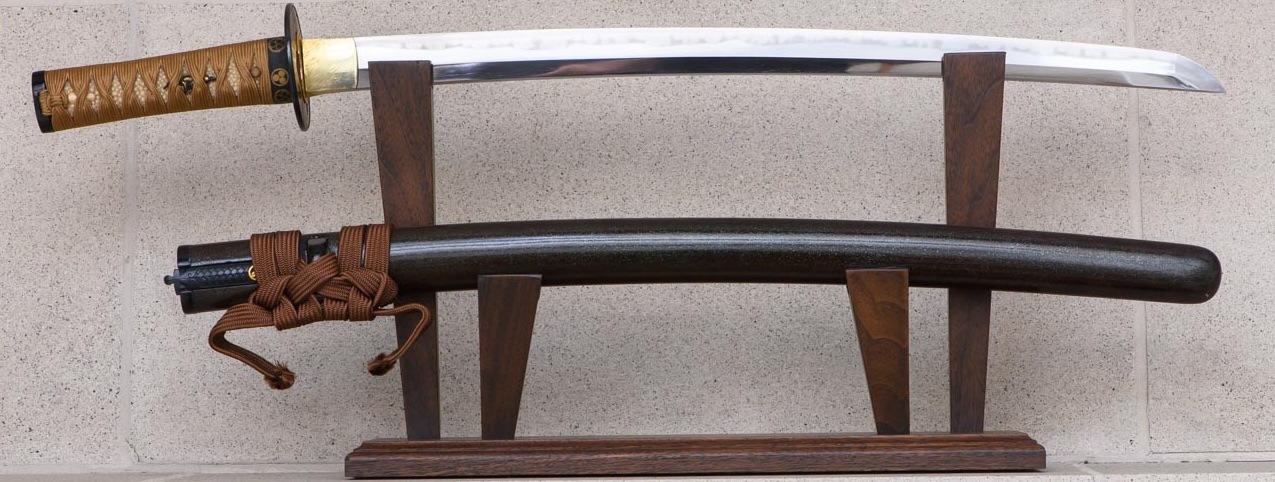
Sword of Many Fists
"拳の多き剣"
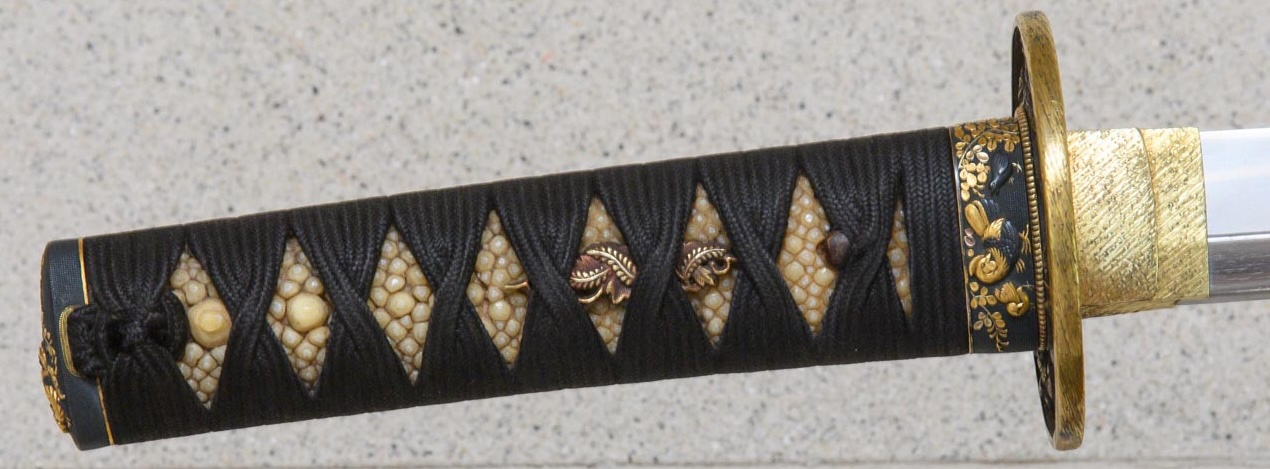
Birds & Flowers
"鳥と花"
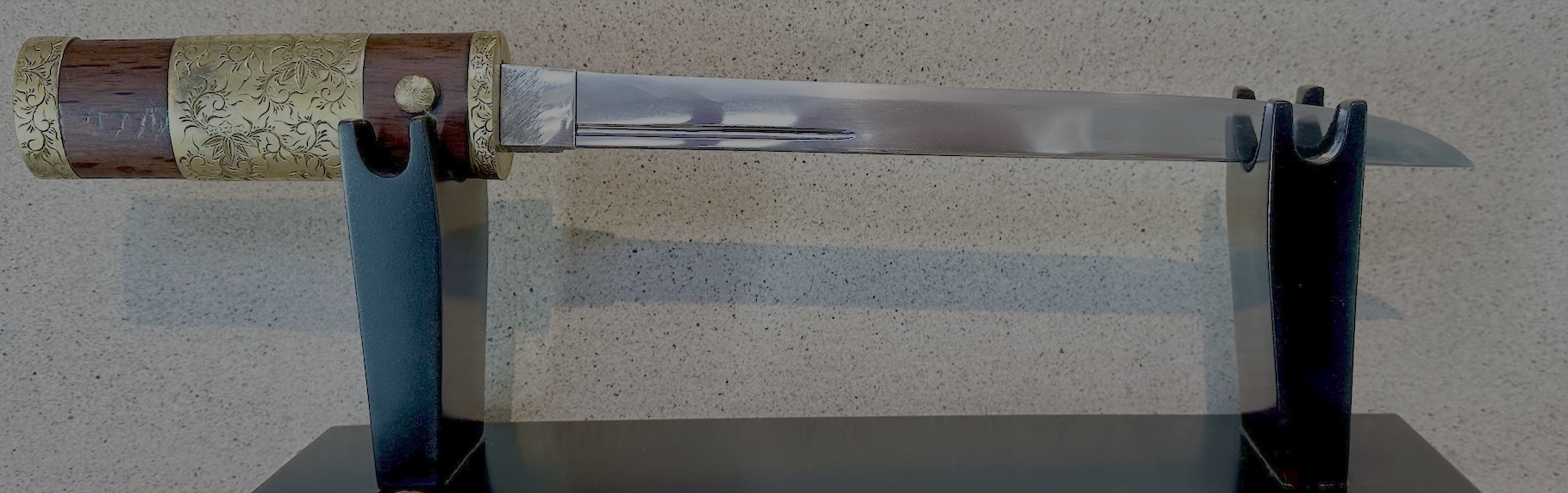
Ogon Ki
"Golden Wood"
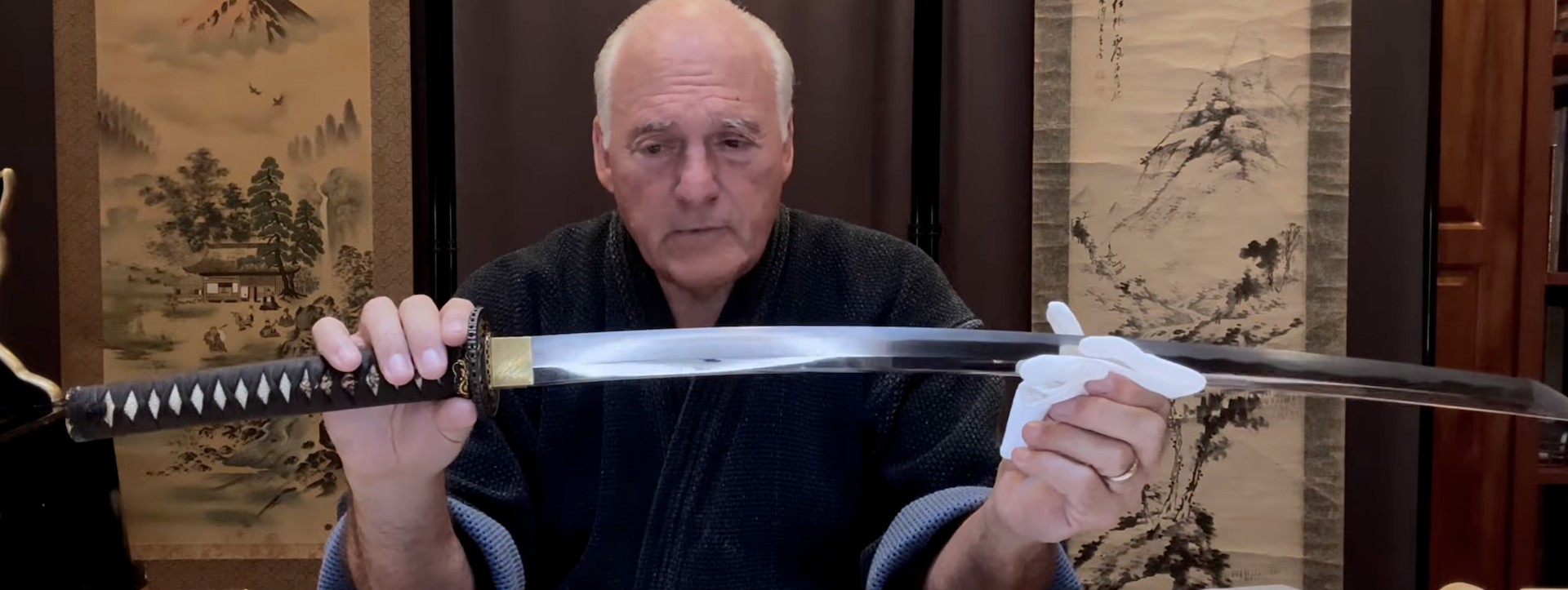
Dragon Prince — Daimyō’s Katana
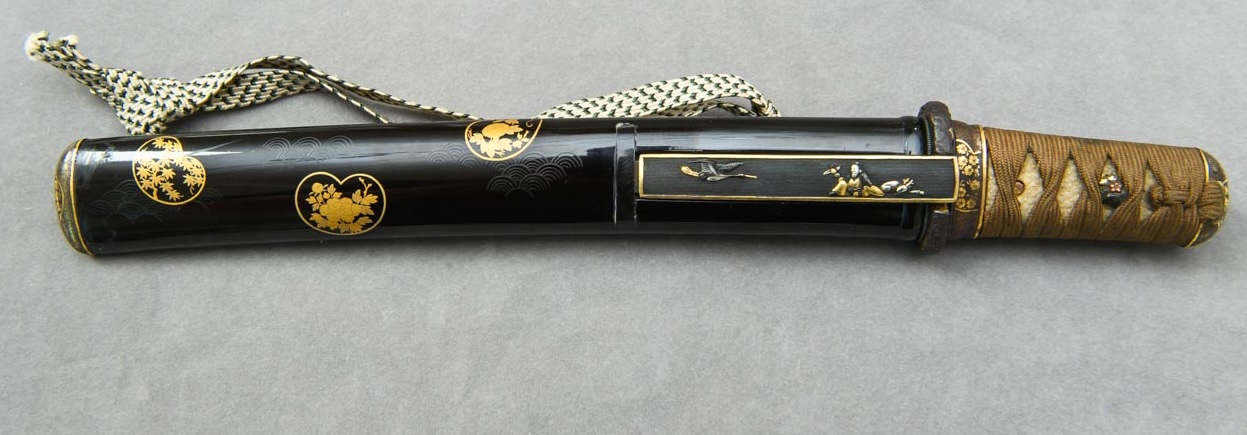
Princess & The Warrior
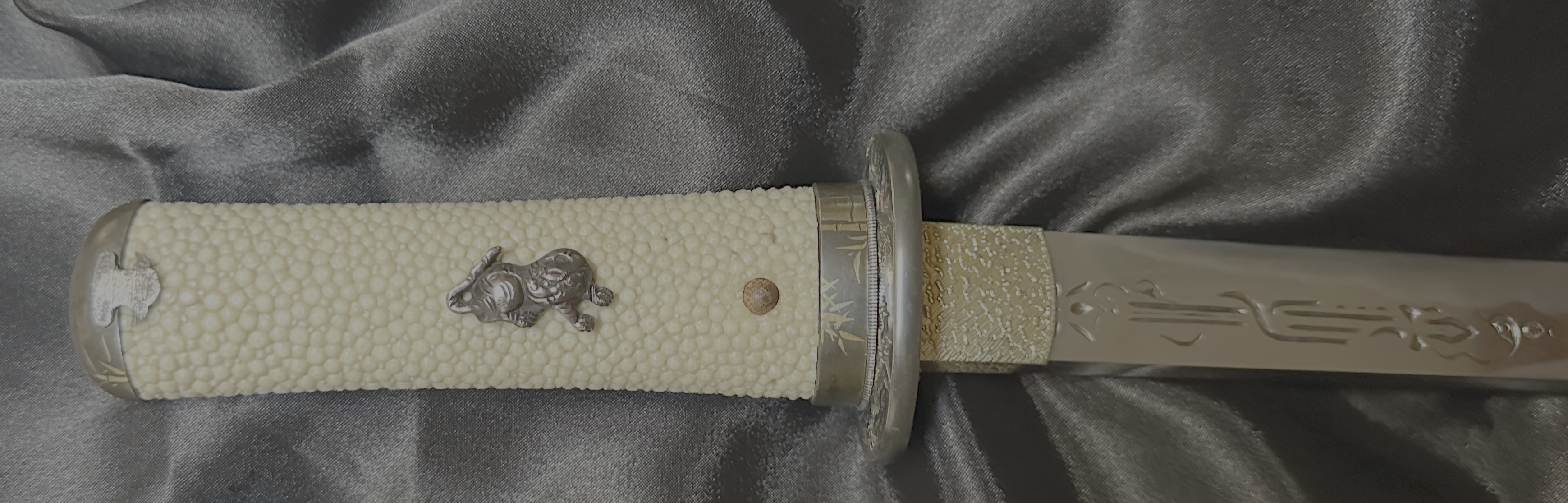
Tiger & Bamboo
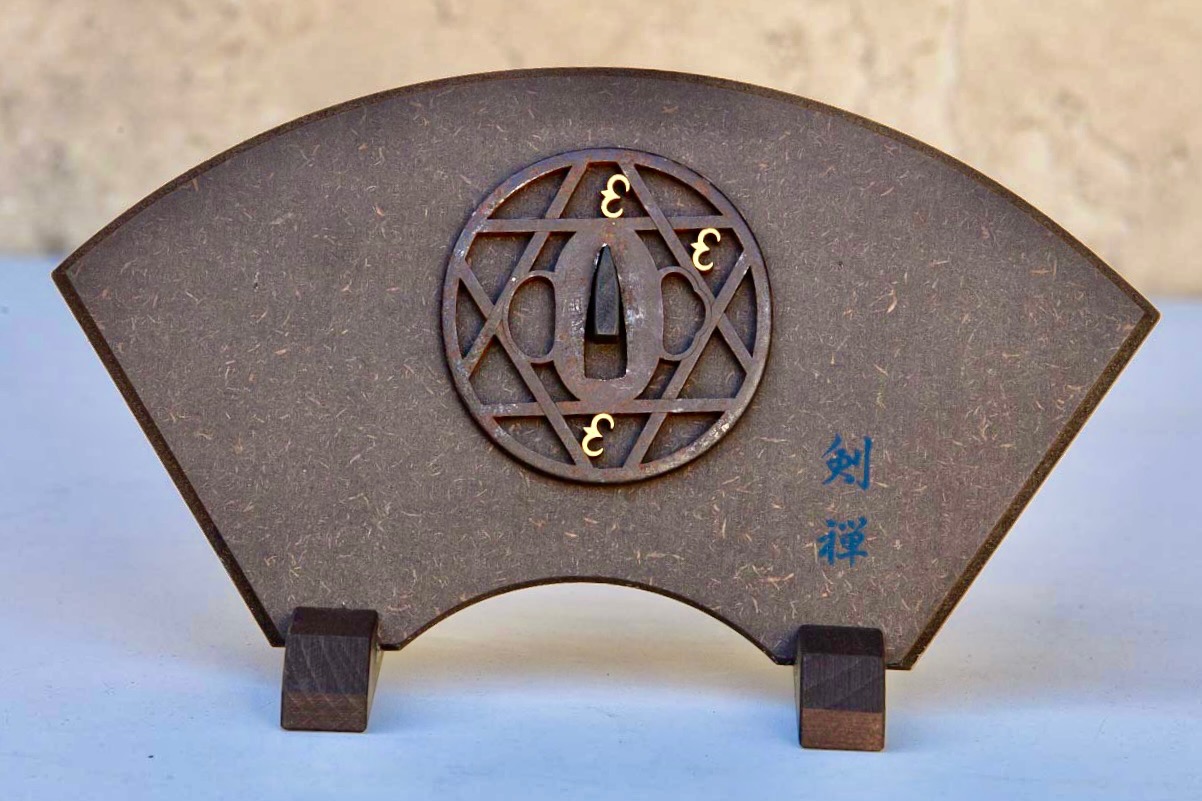
Star of David Tsuba
In the Service of the Shogun
"将軍奉公"
Imperial Lord
"帝君"
Redeemer
"救済者"
Samurai Van Gogh
"侍画聖"
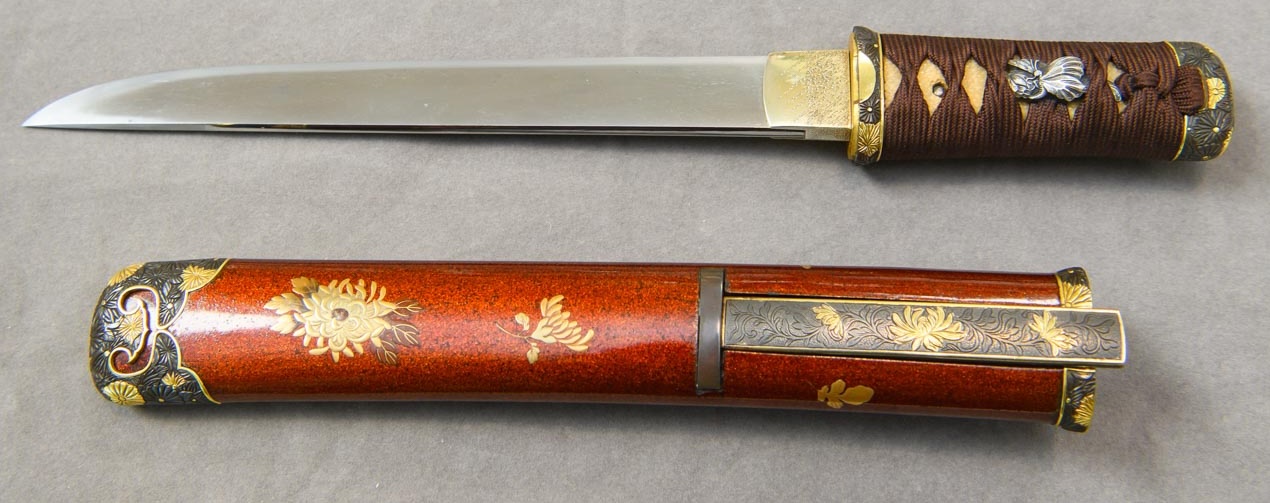
The Butterfly and The Rose
"蝶と薔薇"
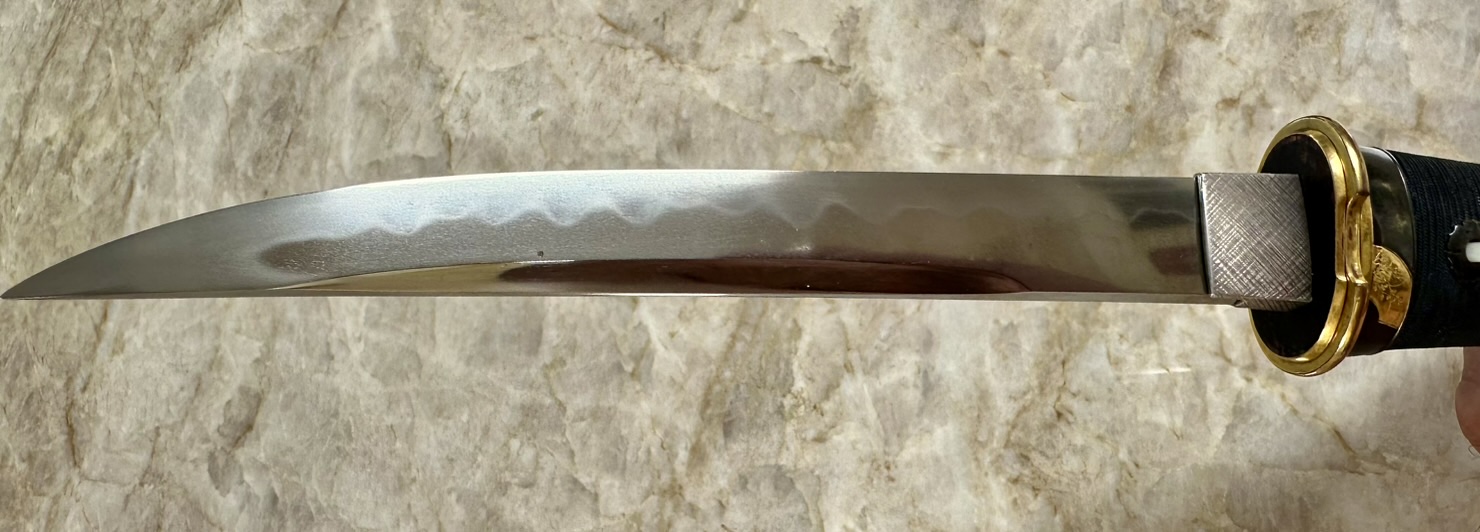
The Last of the Samurai
"最後の侍"
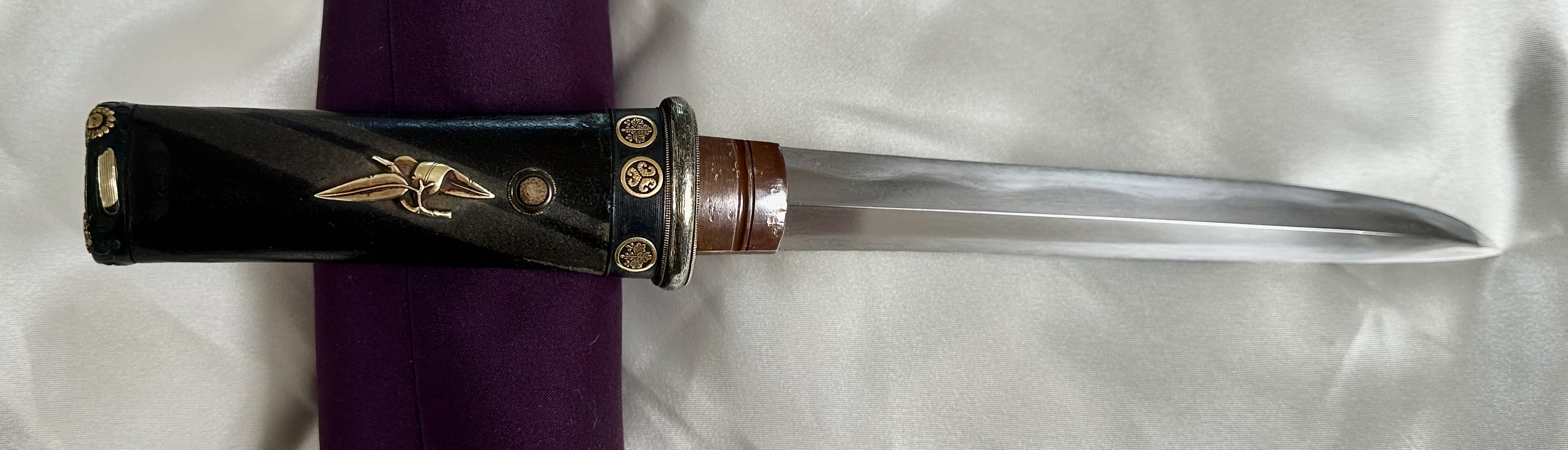
Daimyo Lord
"大名主"
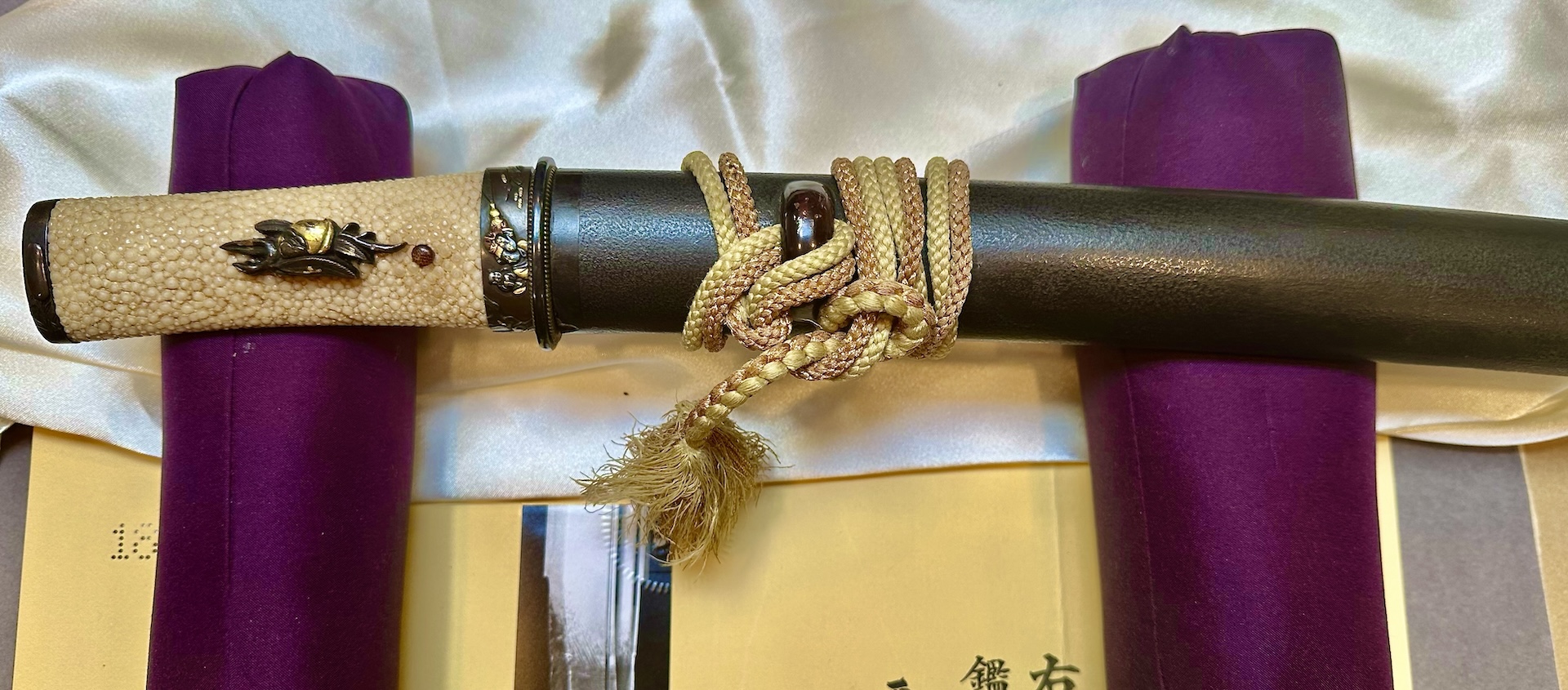
River Dragon
"河竜"
Ben Kei
Mt. Fuji Katana Kake